Mexican AmericanCulinary Experience
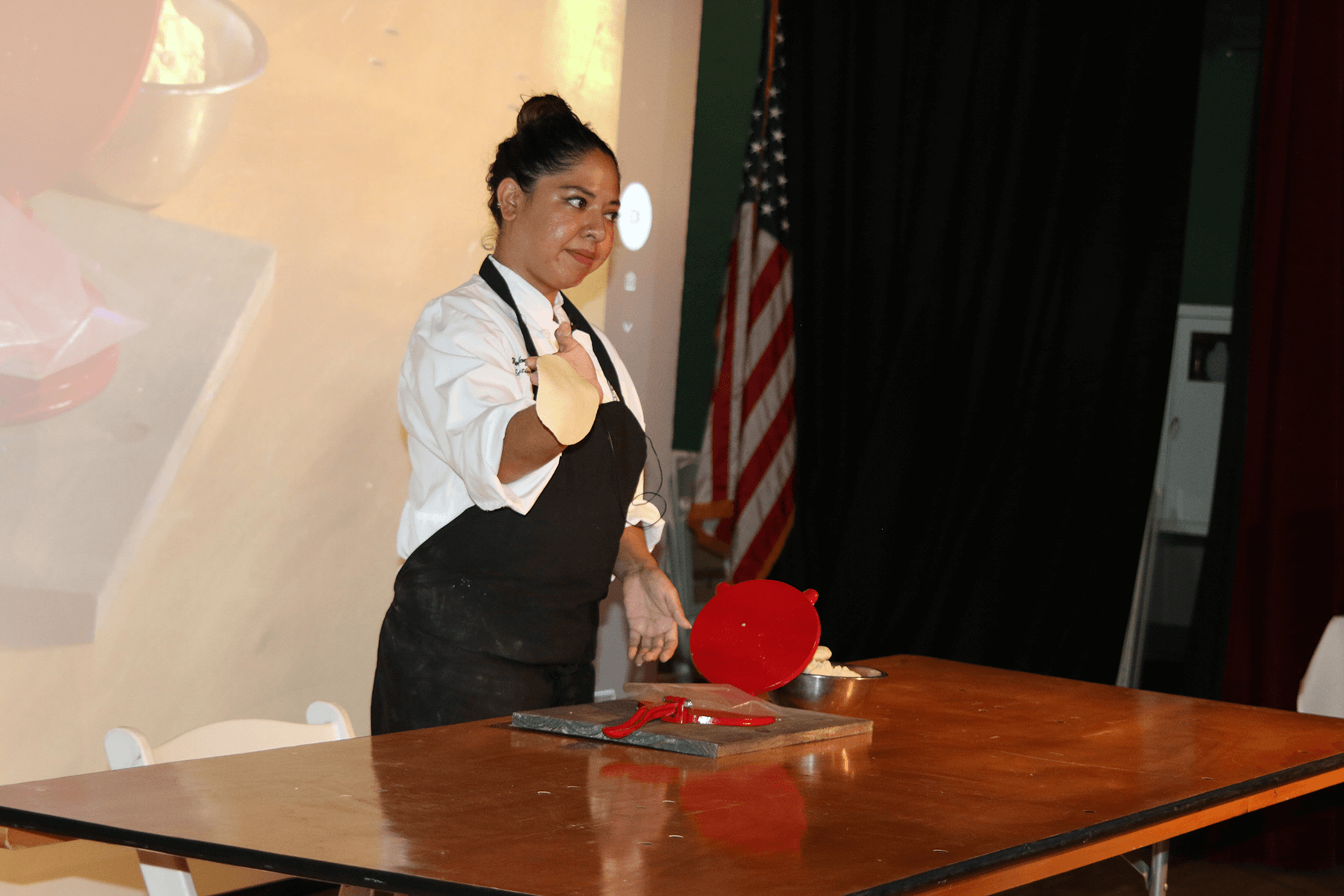
The "Mexican American Culinary Experience" used food and storytelling to engage older adults and community members in cultural exploration at the Mattatuck Museum.
Honoraria
The Westmoreland Museum of American Art
Greensburg, PA
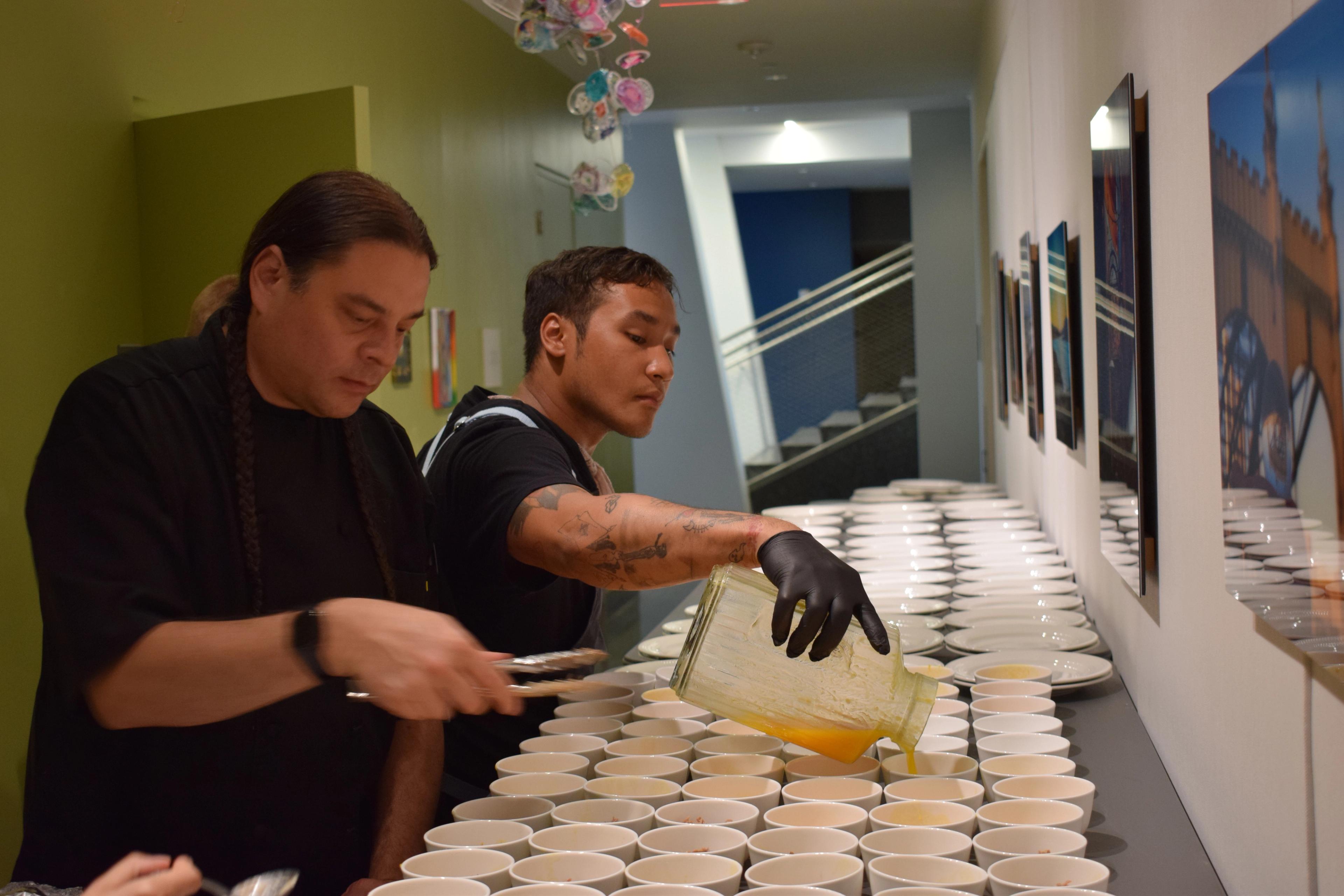
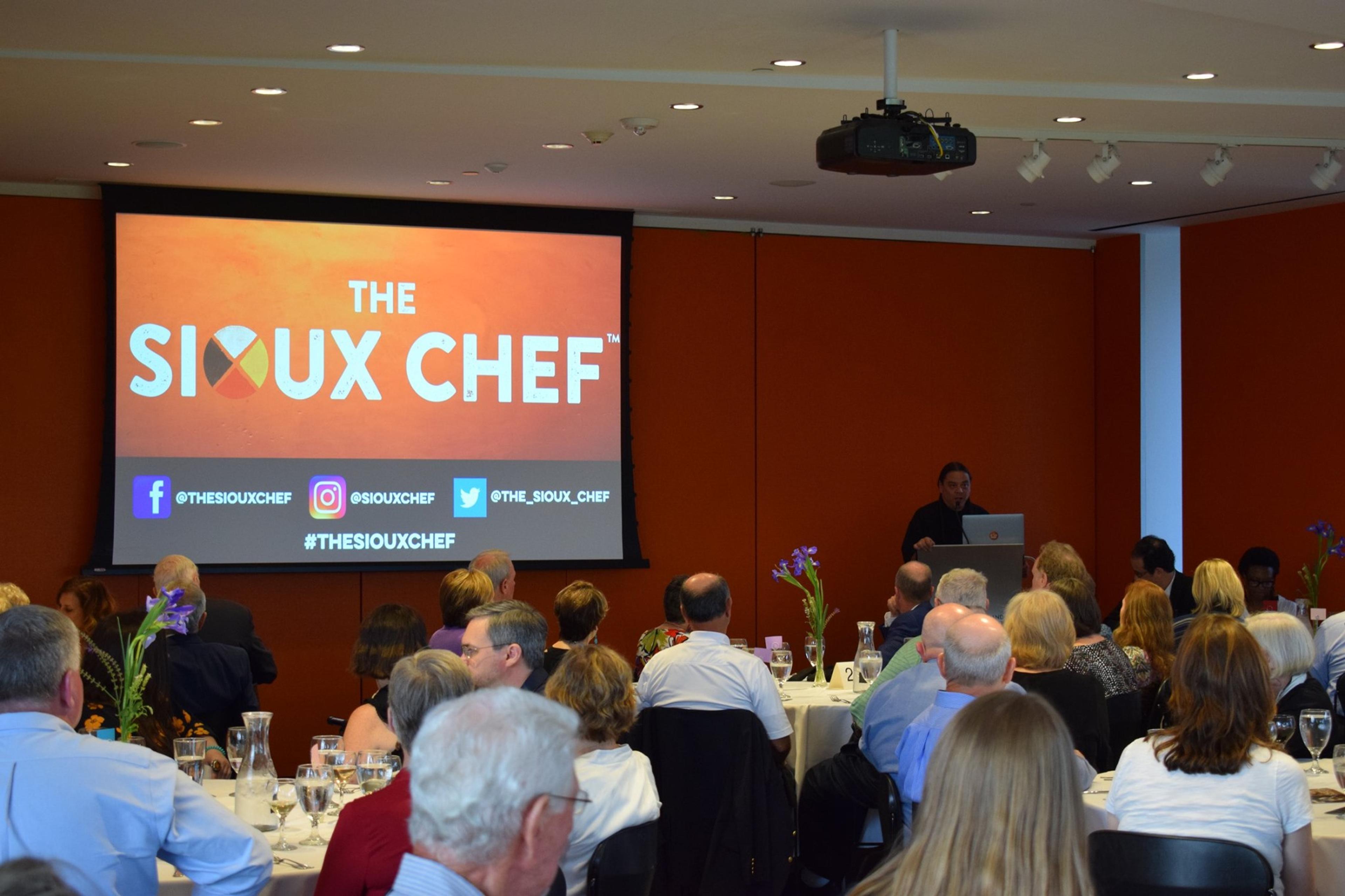
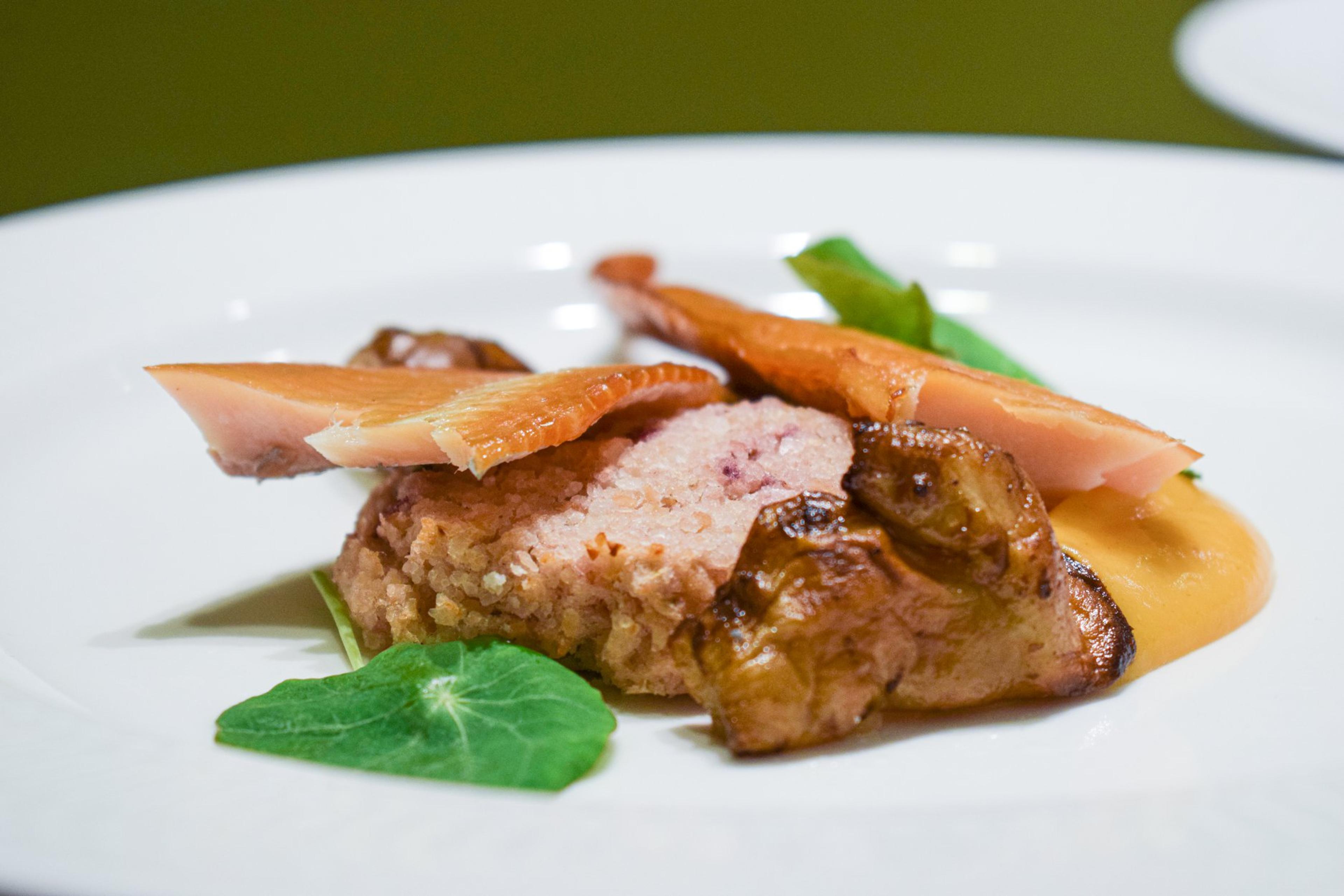
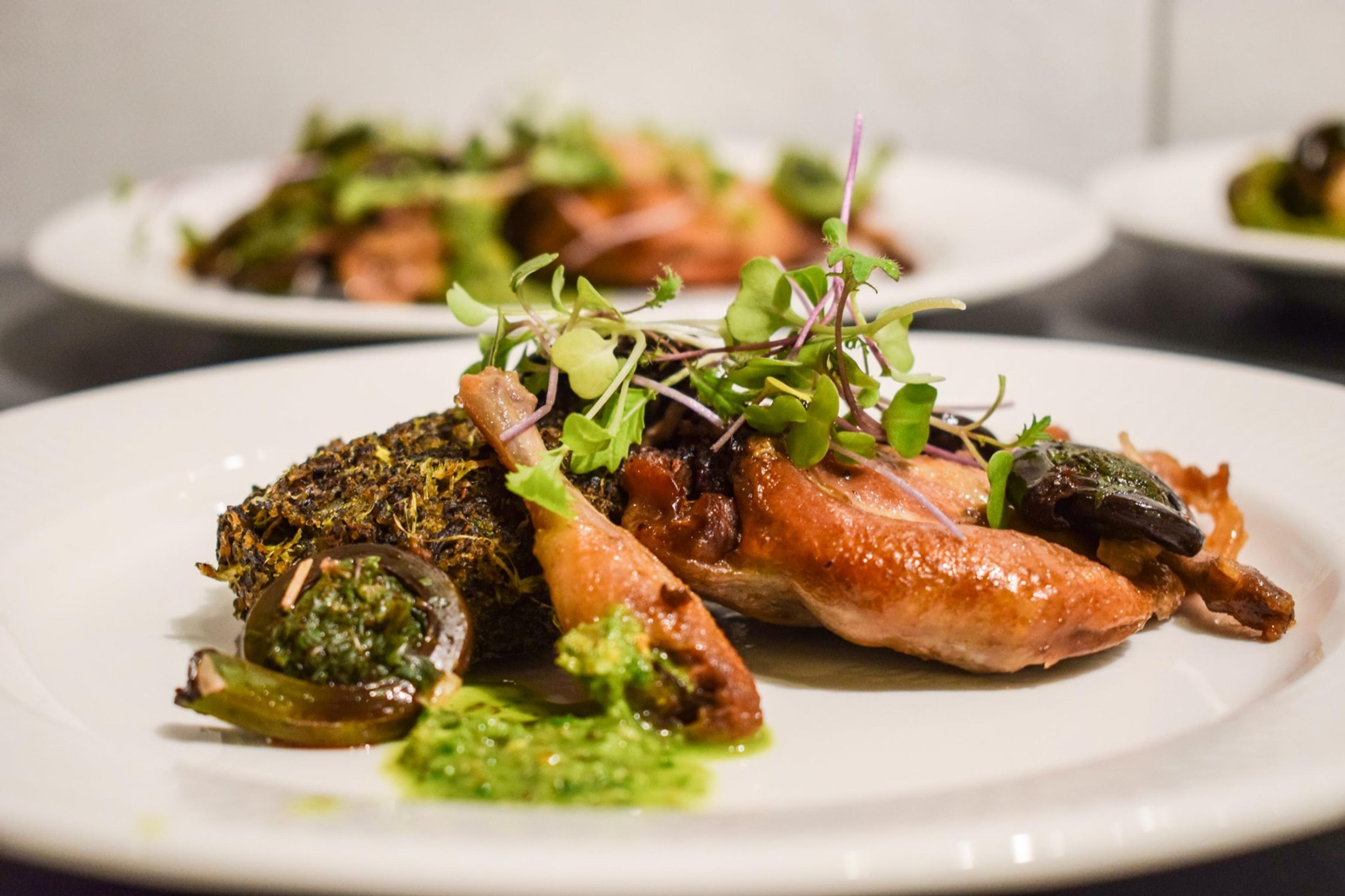
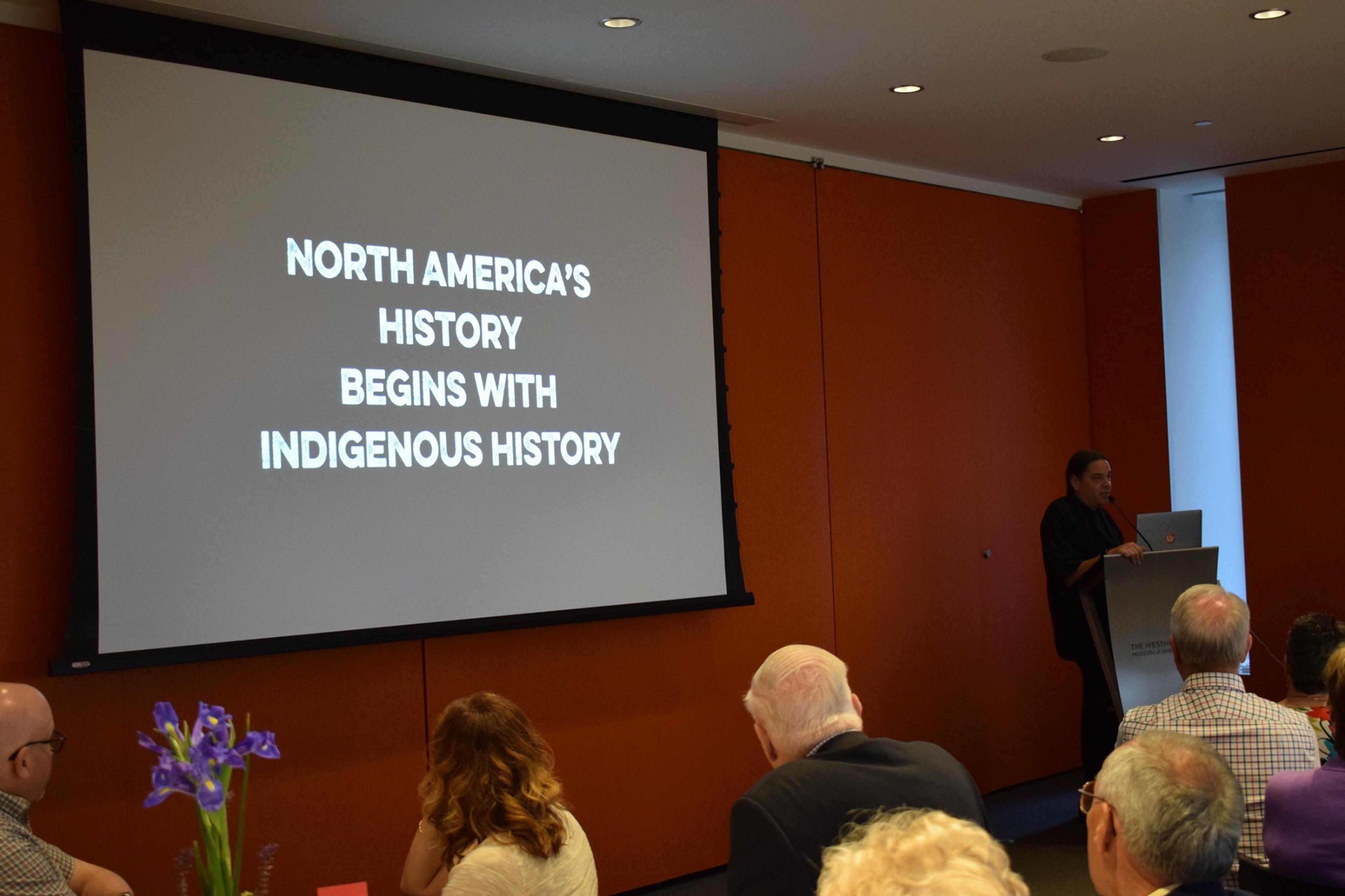
Inspired by exhibition themes in “The Outsider’s Gaze,” The Westmoreland Museum of American Art enlisted Chef Sean Sherman, a member of the Oglala Lakota tribe and the founder of “The Sioux Chef,” to partner with Adelphoi, a nonprofit serving at-risk and incarcerated youth. Students had the opportunity to learn from Chef Sherman, foraging and preparing ingredients for a menu of foods native to Southwestern Pennsylvania. Then, the dinner was enjoyed by the students and other guests while Chef Sherman led a discussion at the museum. Each table was provided with readings and questions to guide focused conversations about the connections between art, culture, and food, as well as issues of sustainability and food insecurity.
The Westmoreland expected to have 100 participants engage with Chef Sherman while fostering a better understanding of Native American history and culture from a regional and national perspective.
Chef Sherman’s dinner sold out with 115 participants and was a great success. This program provided audiences at The Westmoreland with an understanding of Oglala Lakota culture that had not previously been offered.
Museums seeking to engage Native American history, culture, or foodways should prioritize a robust and varied program schedule that elevates Indigenous voices and offers multiple entry points for learning, from performances and hands-on workshops to conversations and culinary experiences. Pairing art with lived cultural practices—especially when developed in collaboration with Native artists, scholars, and chefs—can create meaningful, innovative connections that broaden audiences and deepen understanding.
The "Mexican American Culinary Experience" used food and storytelling to engage older adults and community members in cultural exploration at the Mattatuck Museum.

The Westmoreland Museum of American Art partnered with Repair the World to host a dinner where attendees explored Sherrie Levine’s “After Russell Lee: 1-60" and its relation to agriculture, food insecurity, and gentrification.
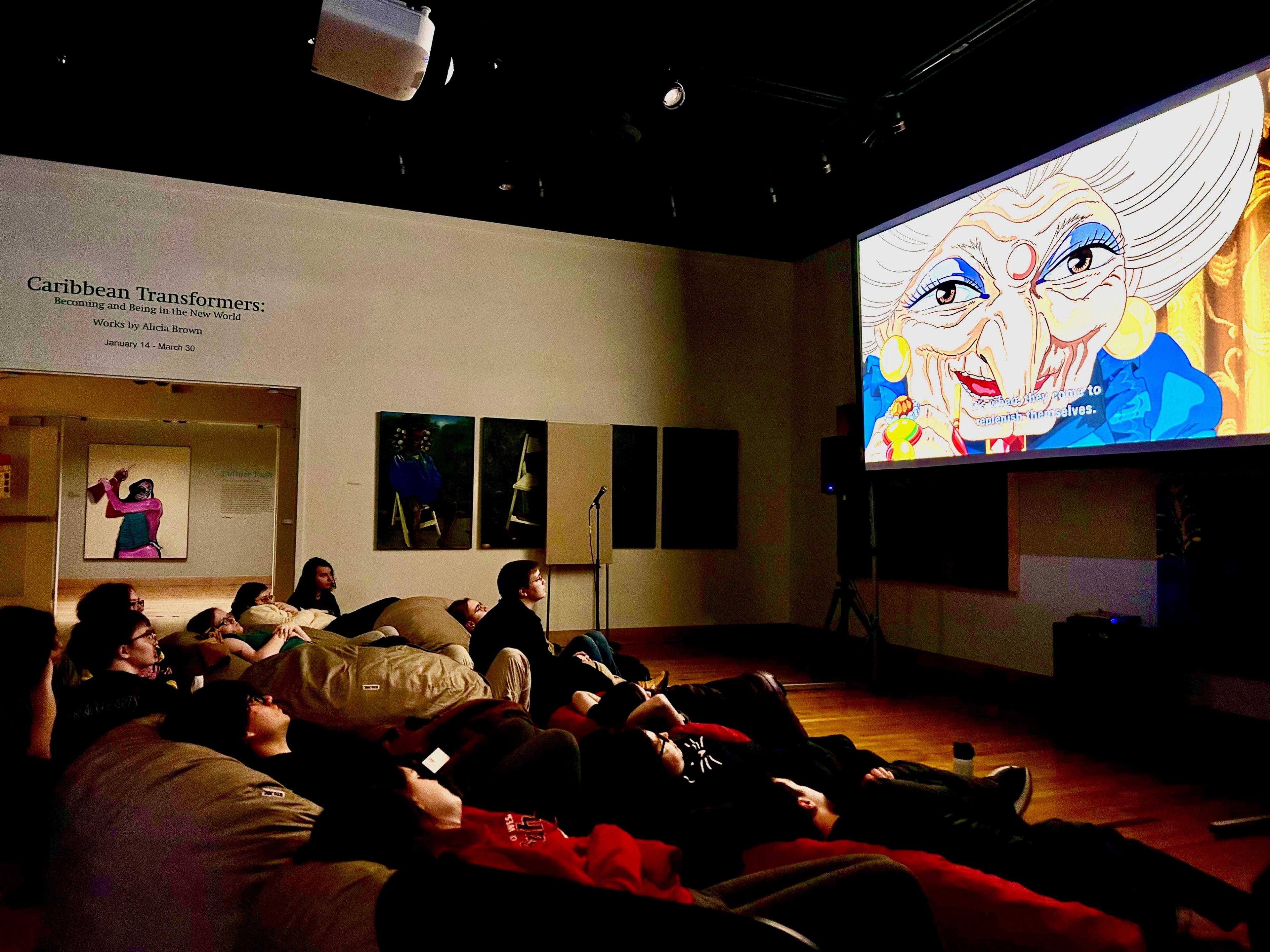
The Richard M. Ross Art Museum hosted a series of student-planned "Chill Nights," featuring crafts, screenings, and food to engage historically underserved Ohio Wesleyan University student groups and nurture a sense of belonging inspired by Fritz Scholder’s "Hollywood Indian."
The "Mexican American Culinary Experience" used food and storytelling to engage older adults and community members in cultural exploration at the Mattatuck Museum.
The Westmoreland Museum of American Art partnered with Repair the World to host a dinner where attendees explored Sherrie Levine’s “After Russell Lee: 1-60" and its relation to agriculture, food insecurity, and gentrification.
The Richard M. Ross Art Museum hosted a series of student-planned "Chill Nights," featuring crafts, screenings, and food to engage historically underserved Ohio Wesleyan University student groups and nurture a sense of belonging inspired by Fritz Scholder’s "Hollywood Indian."