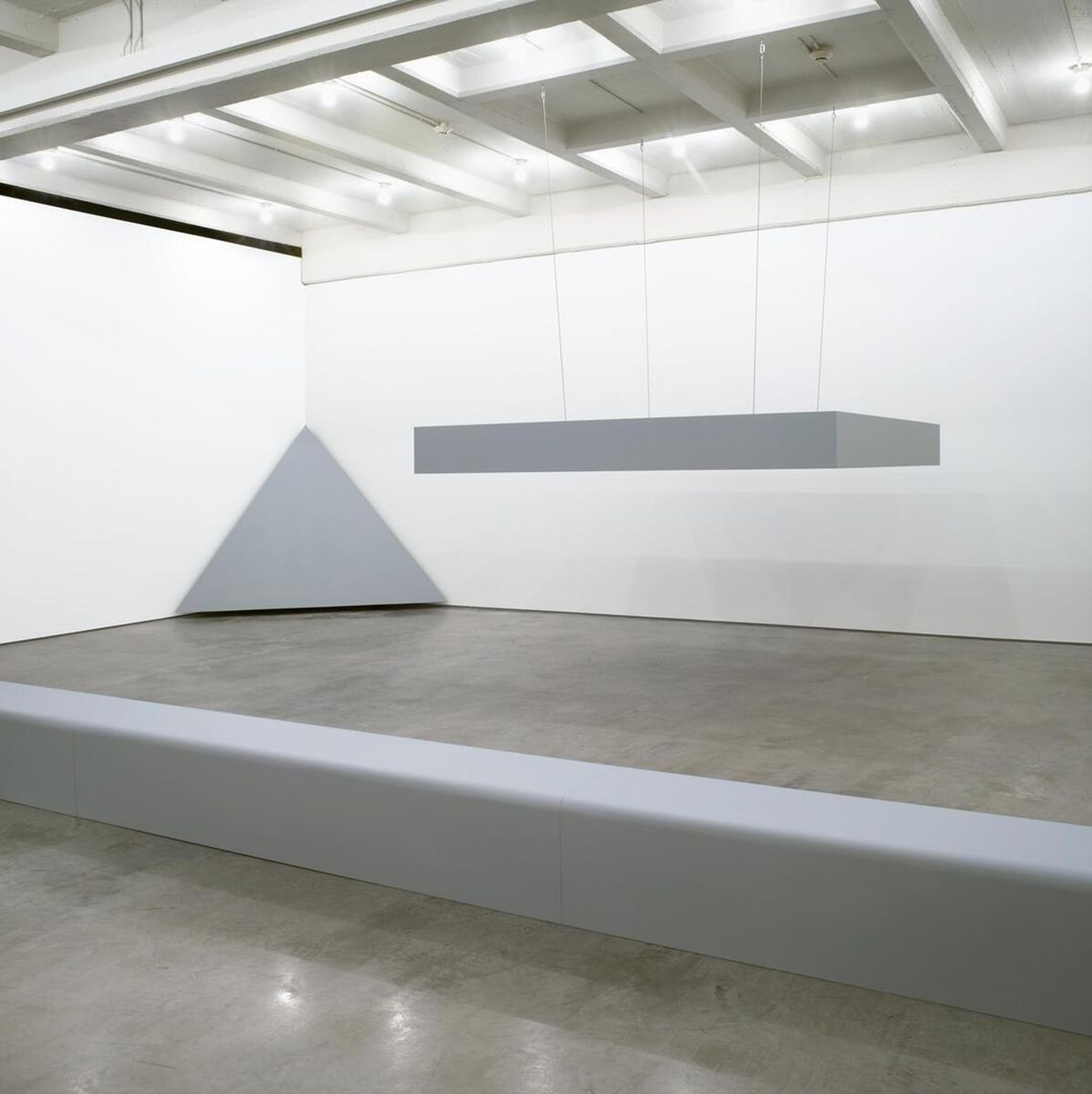
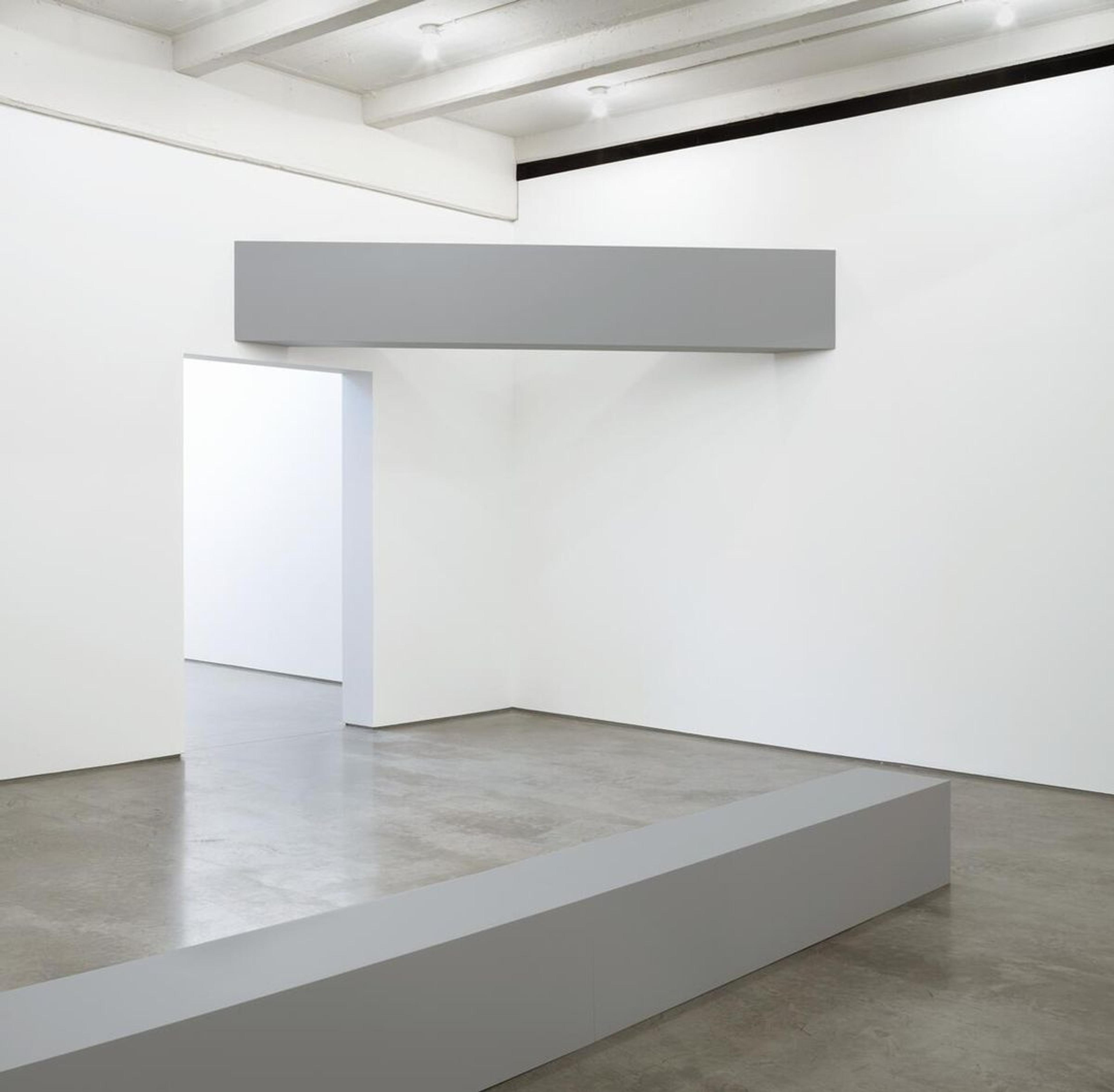
Robert MorrisUntitled (Cloud)
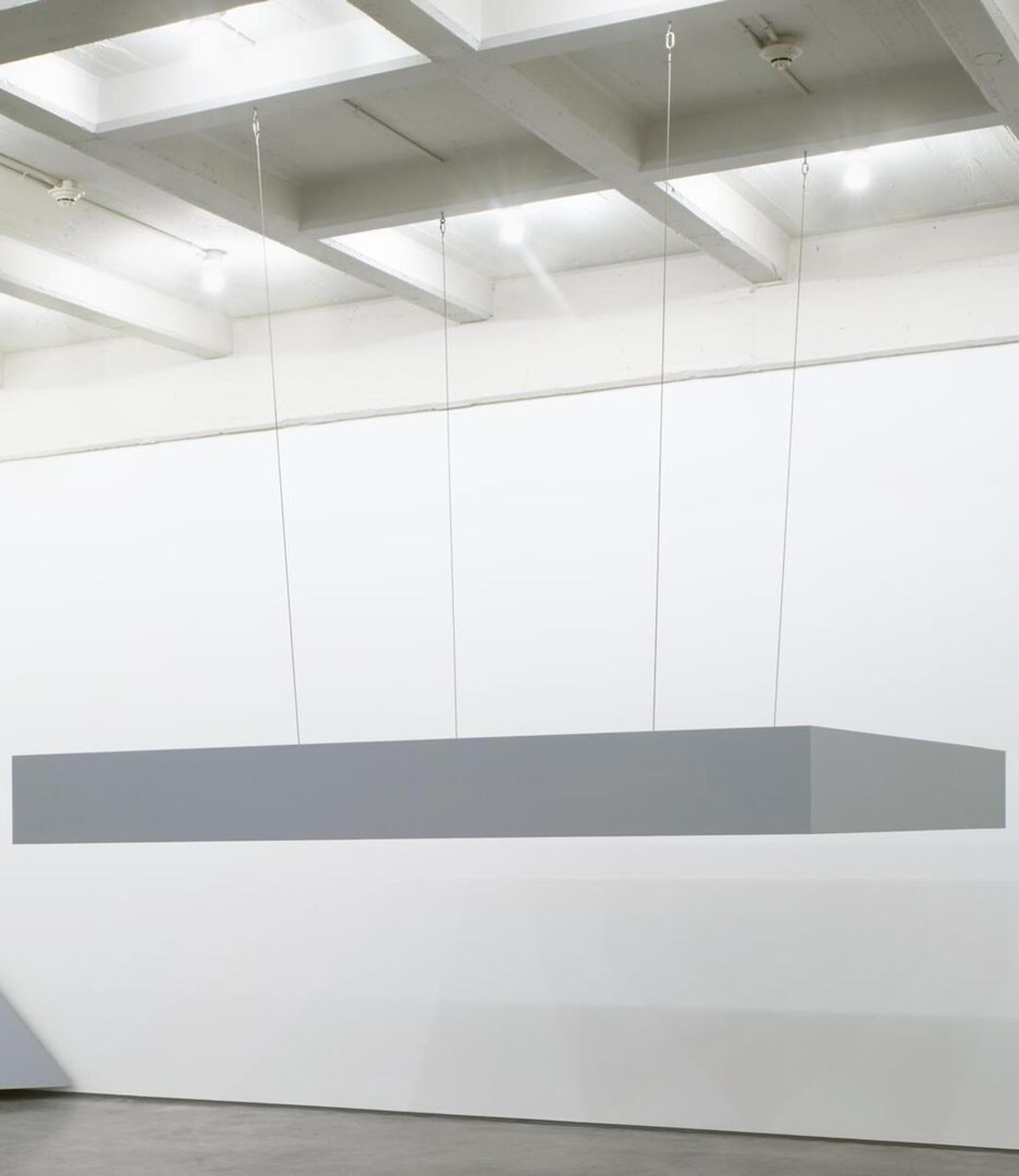
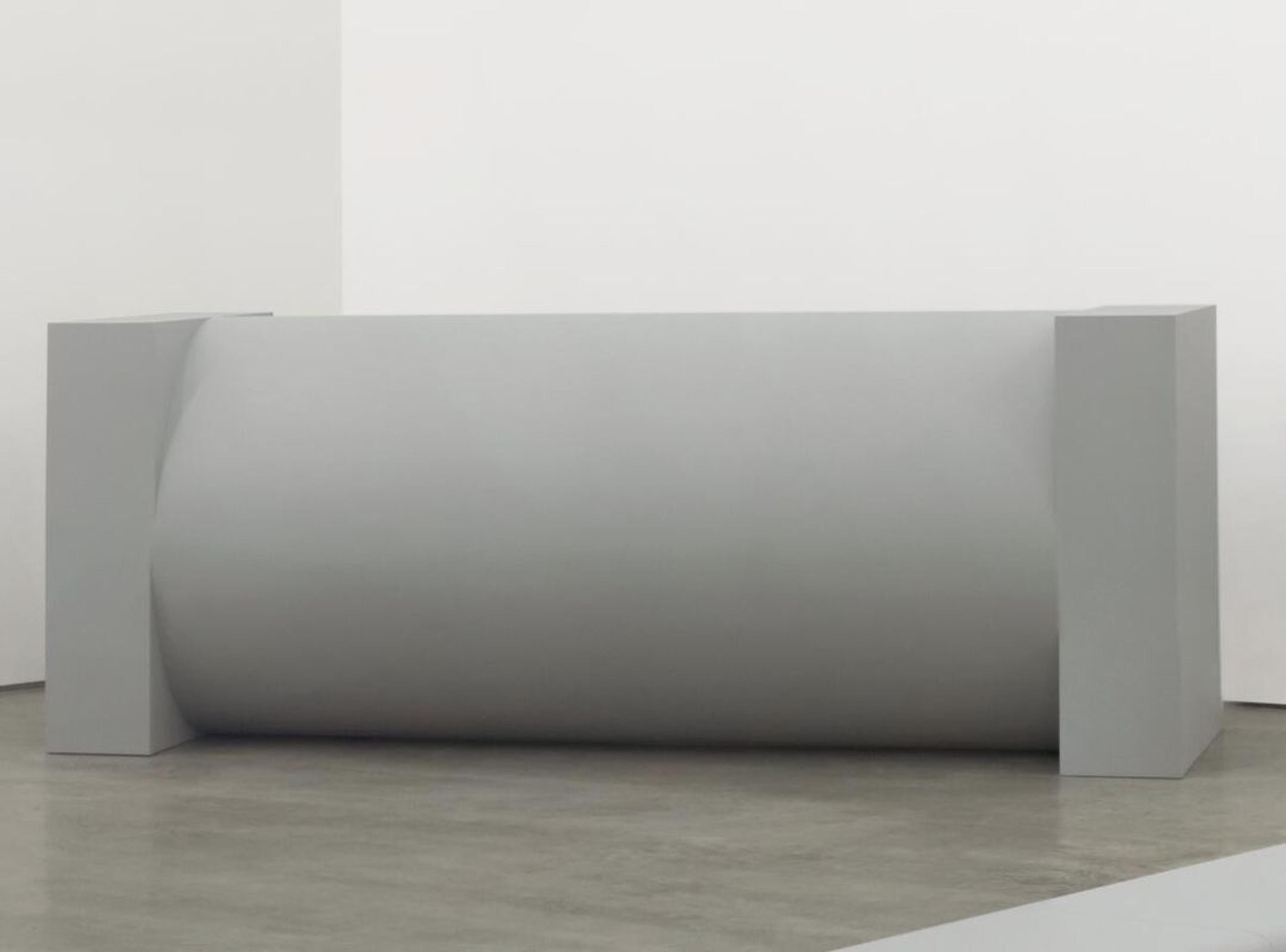
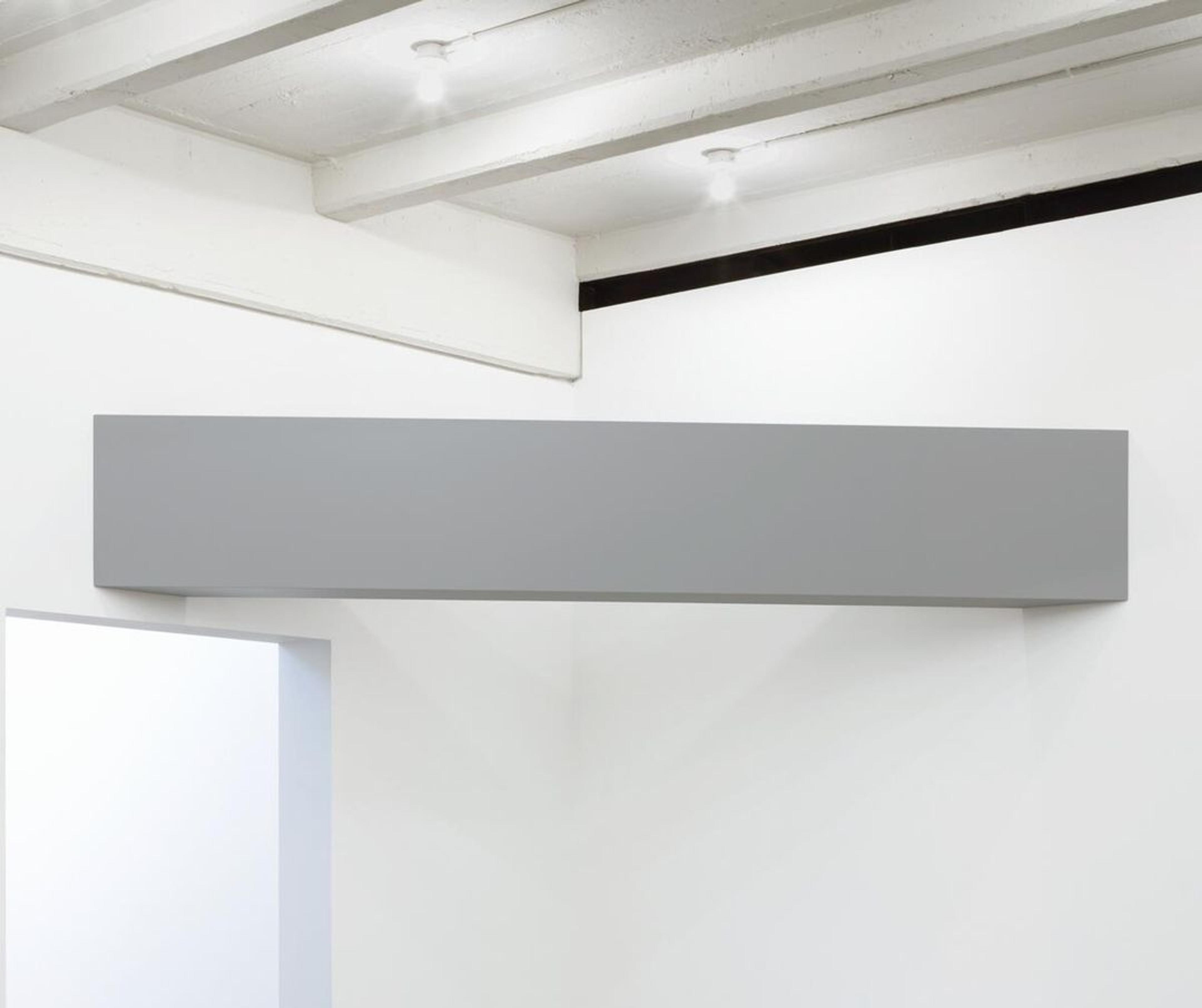
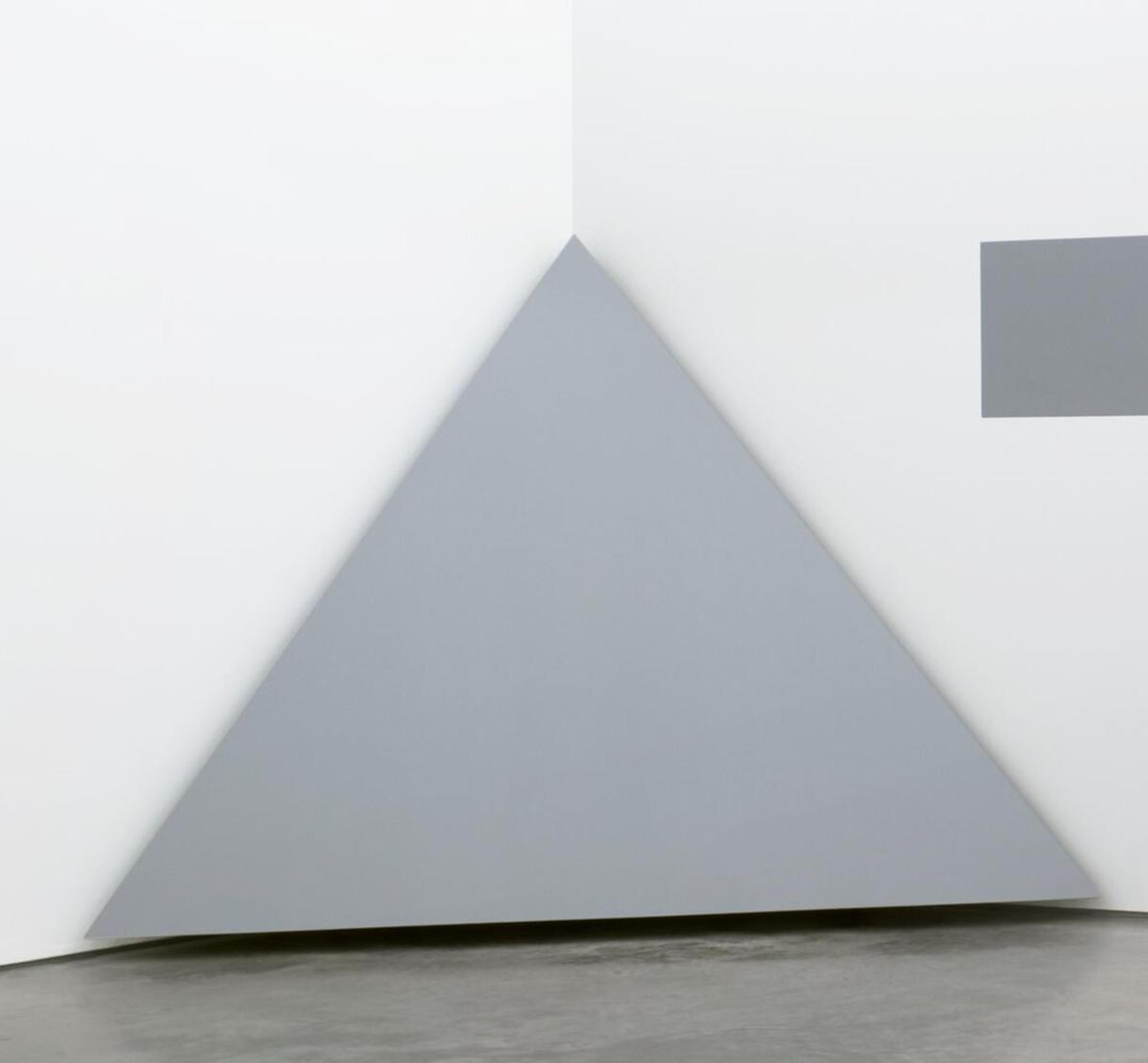
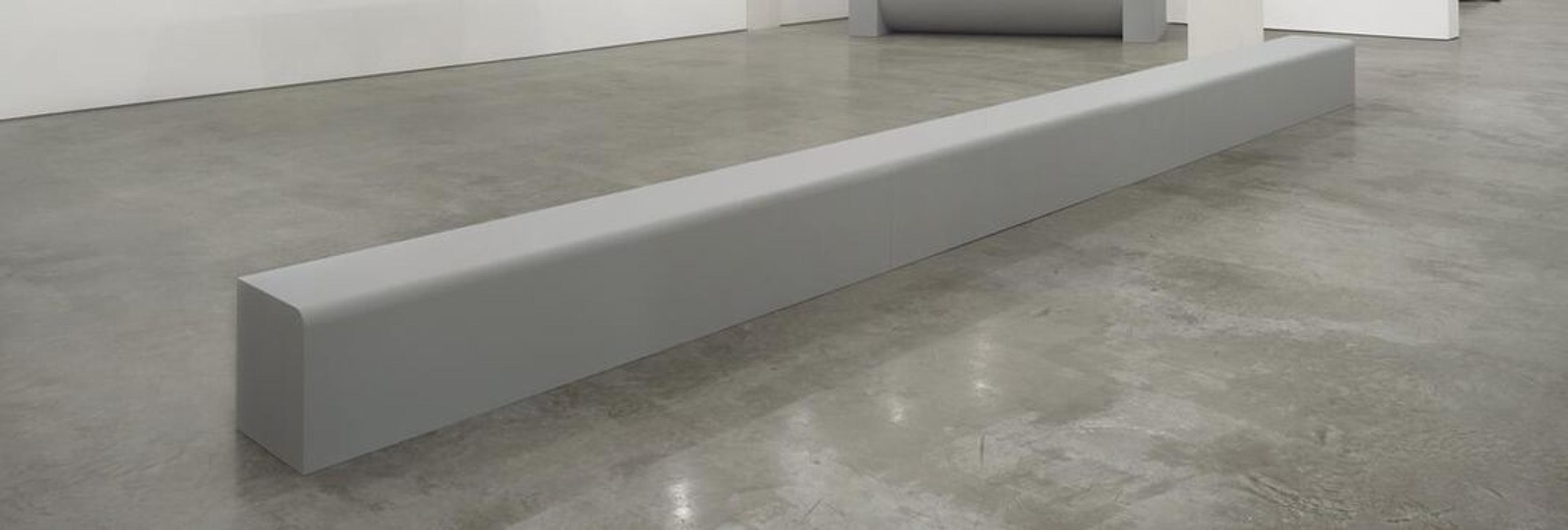
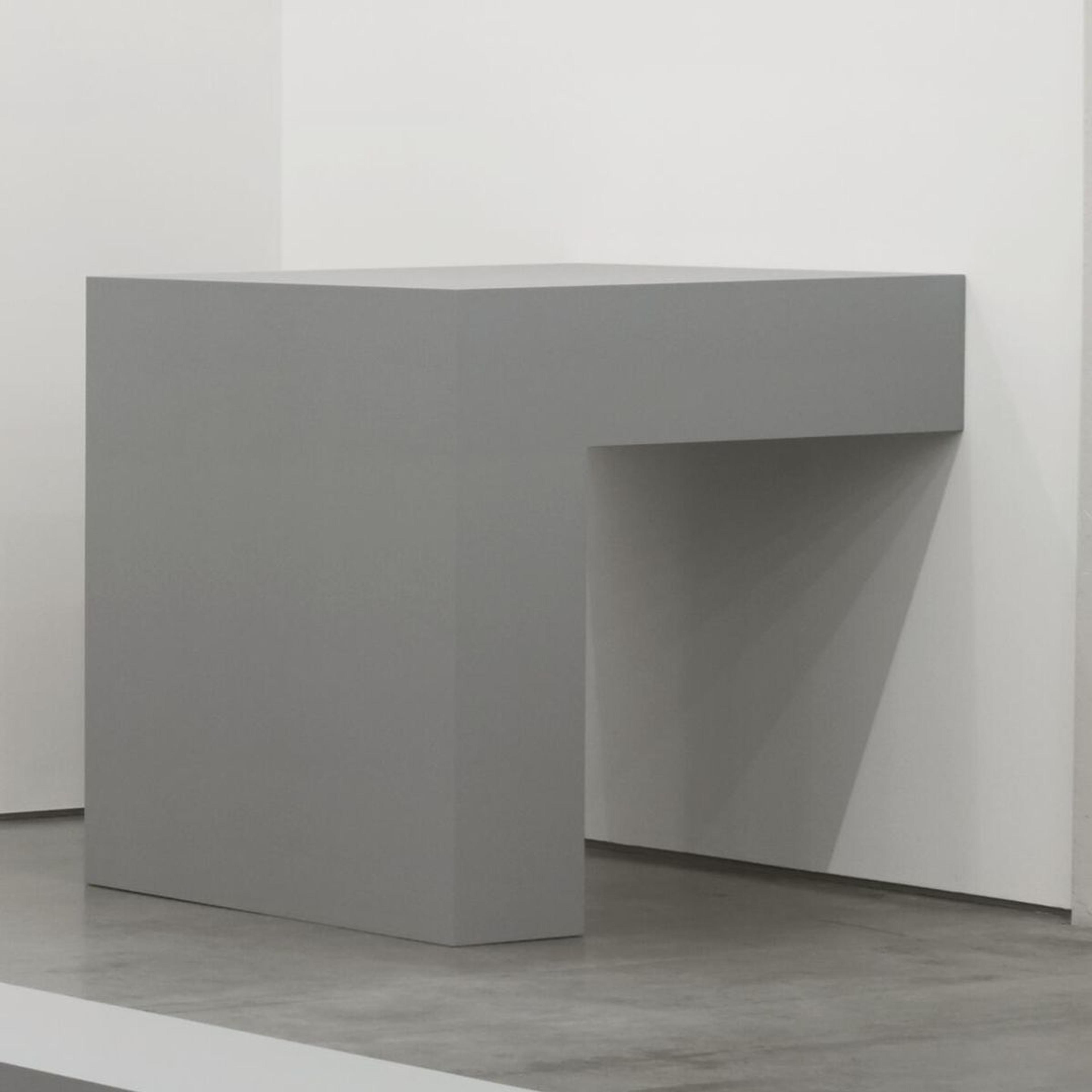
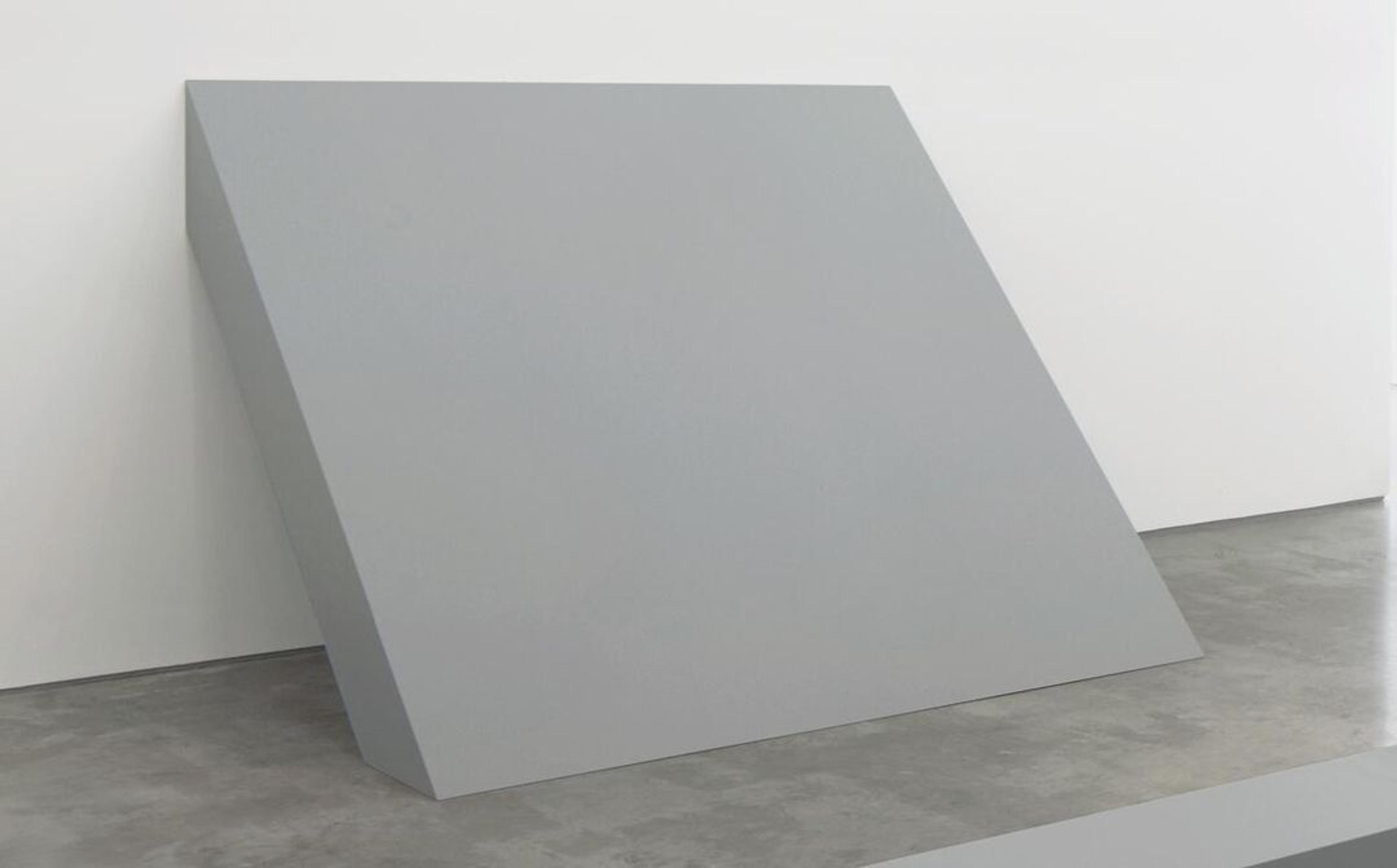
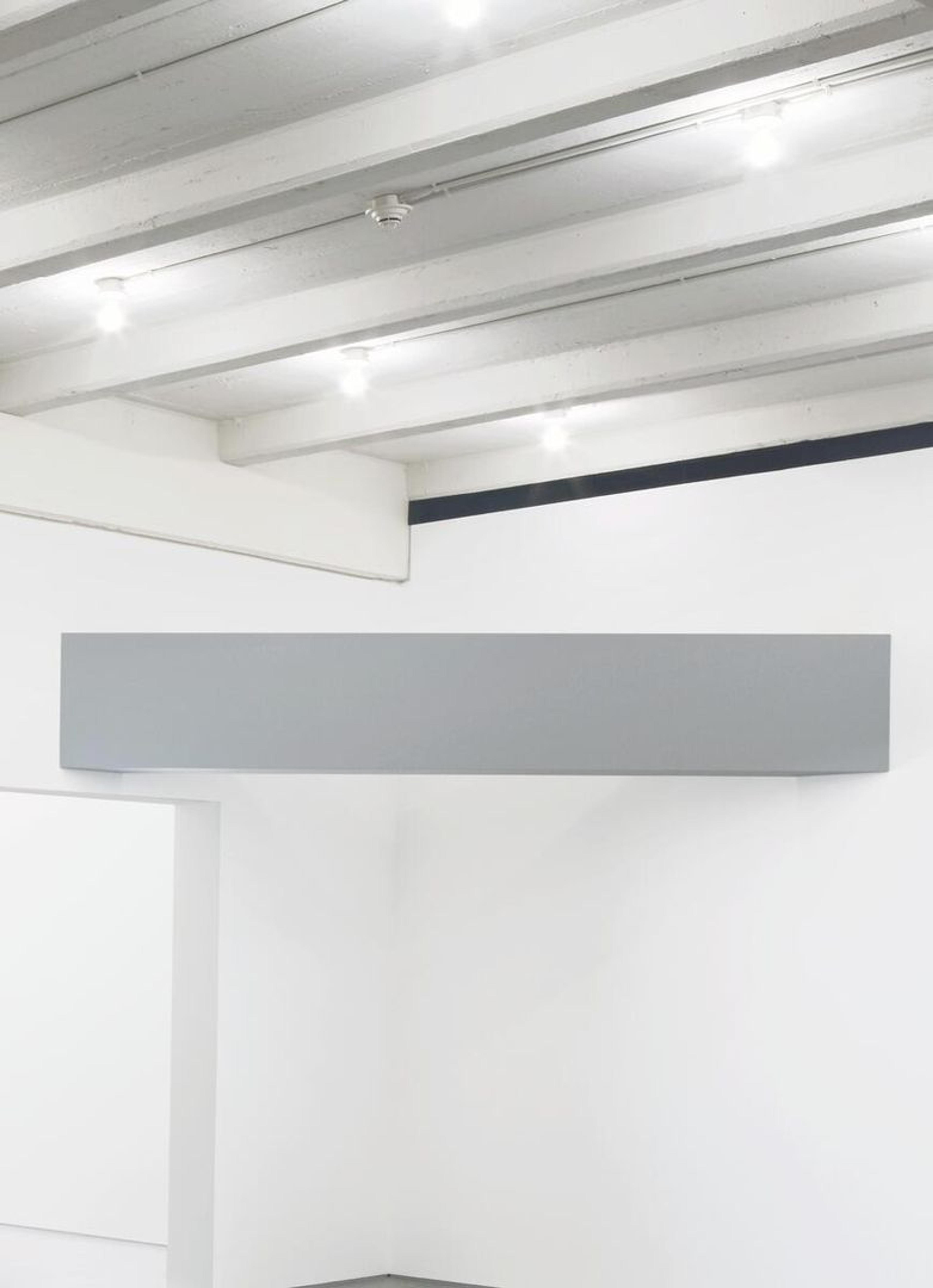
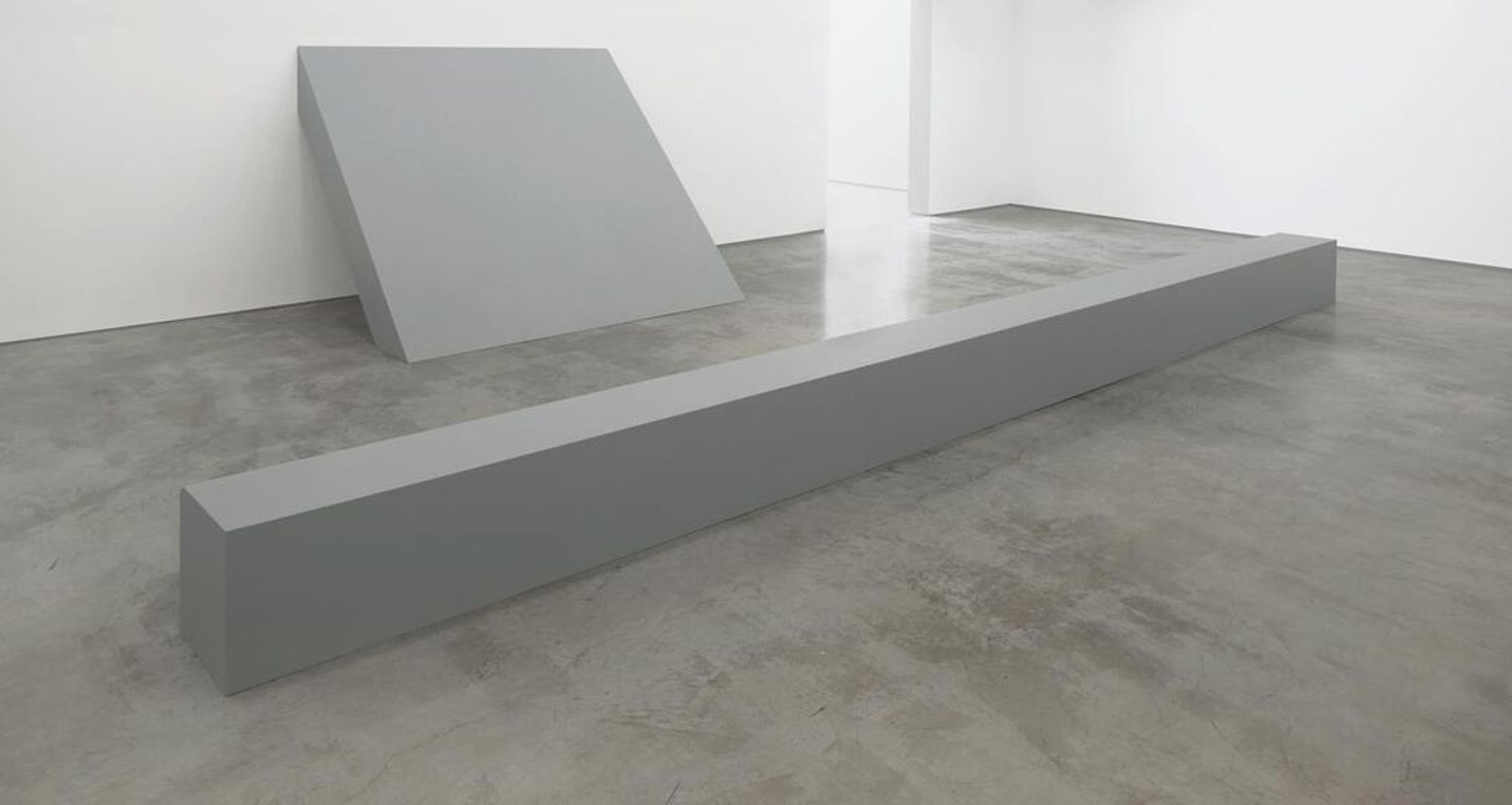
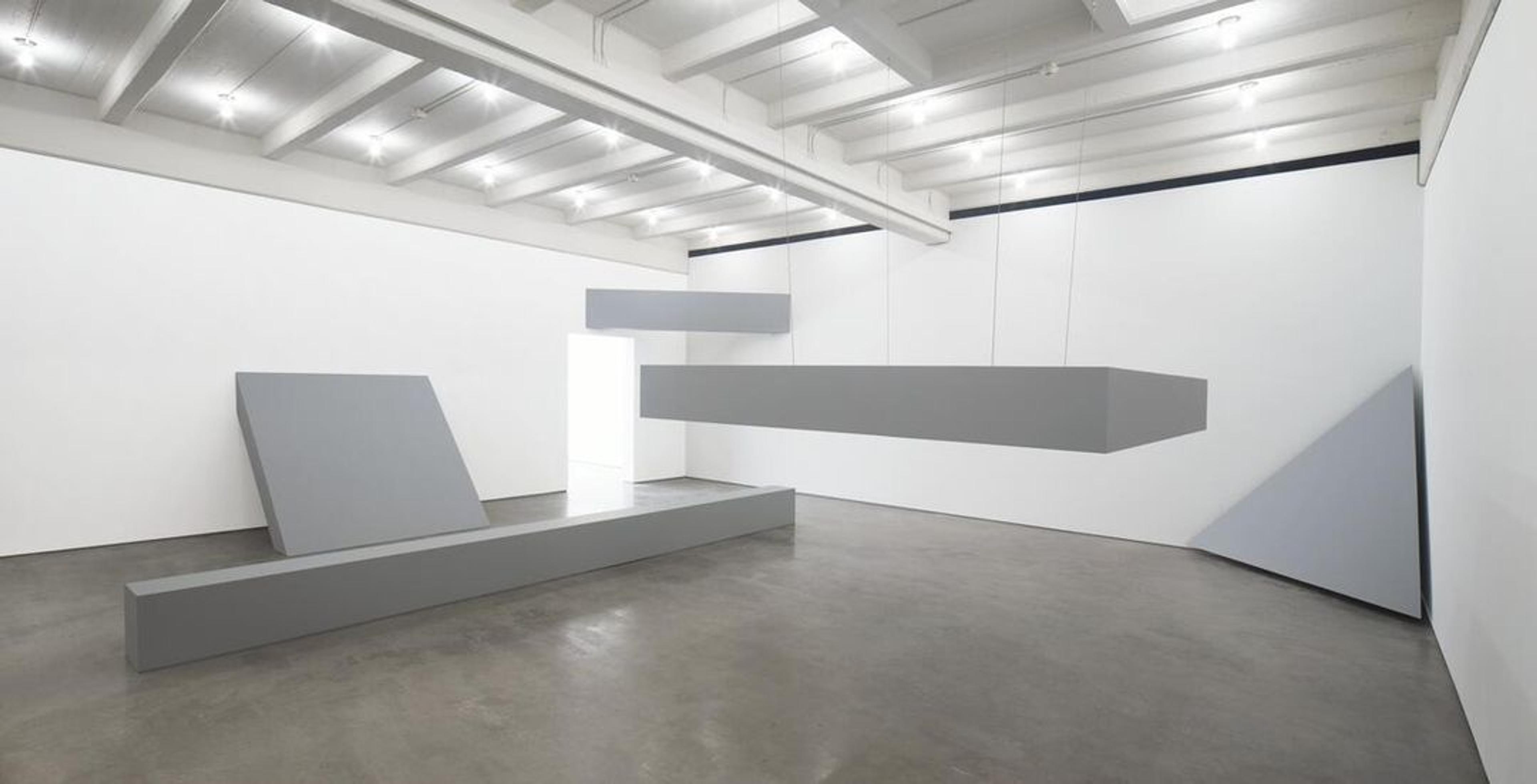
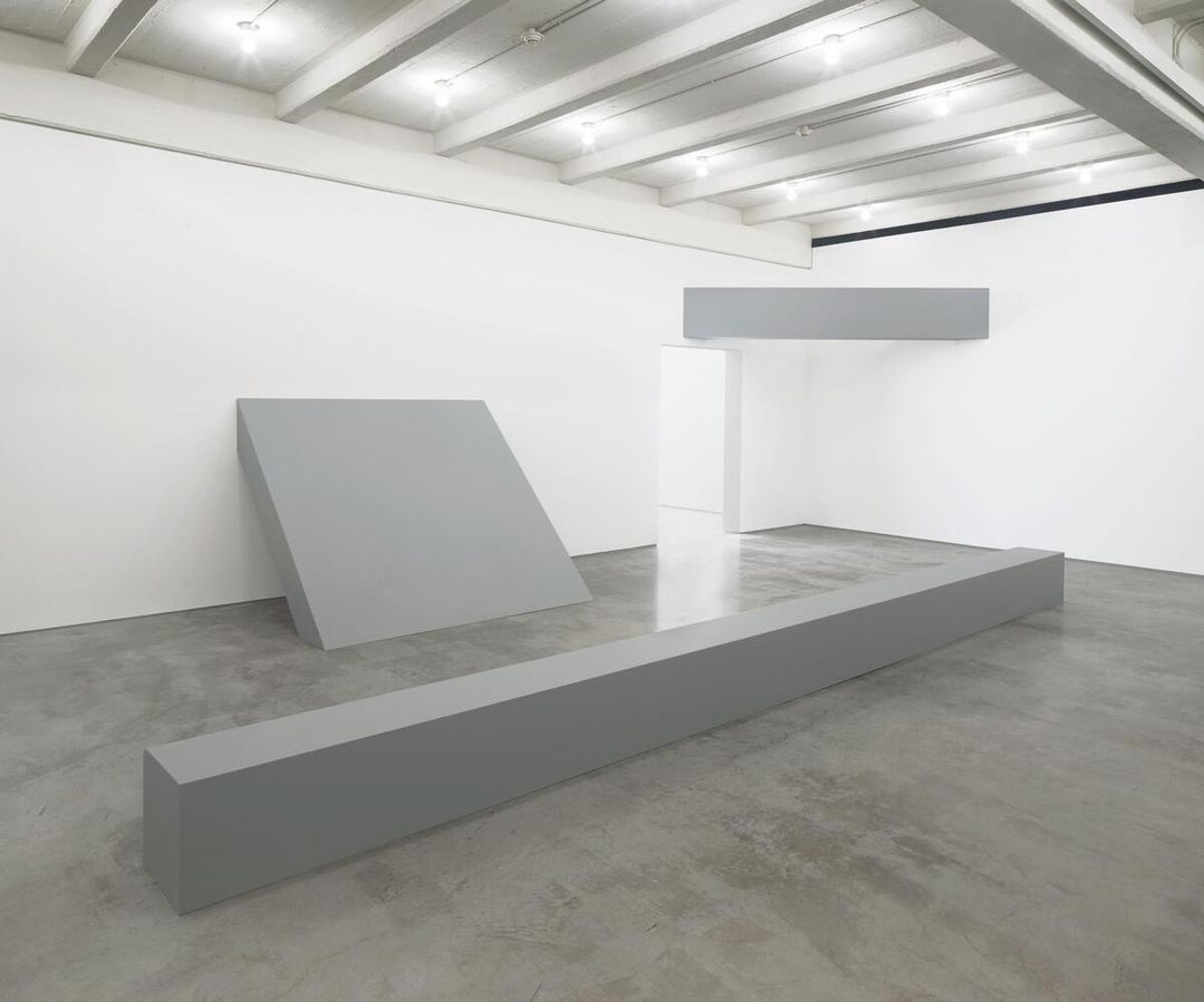
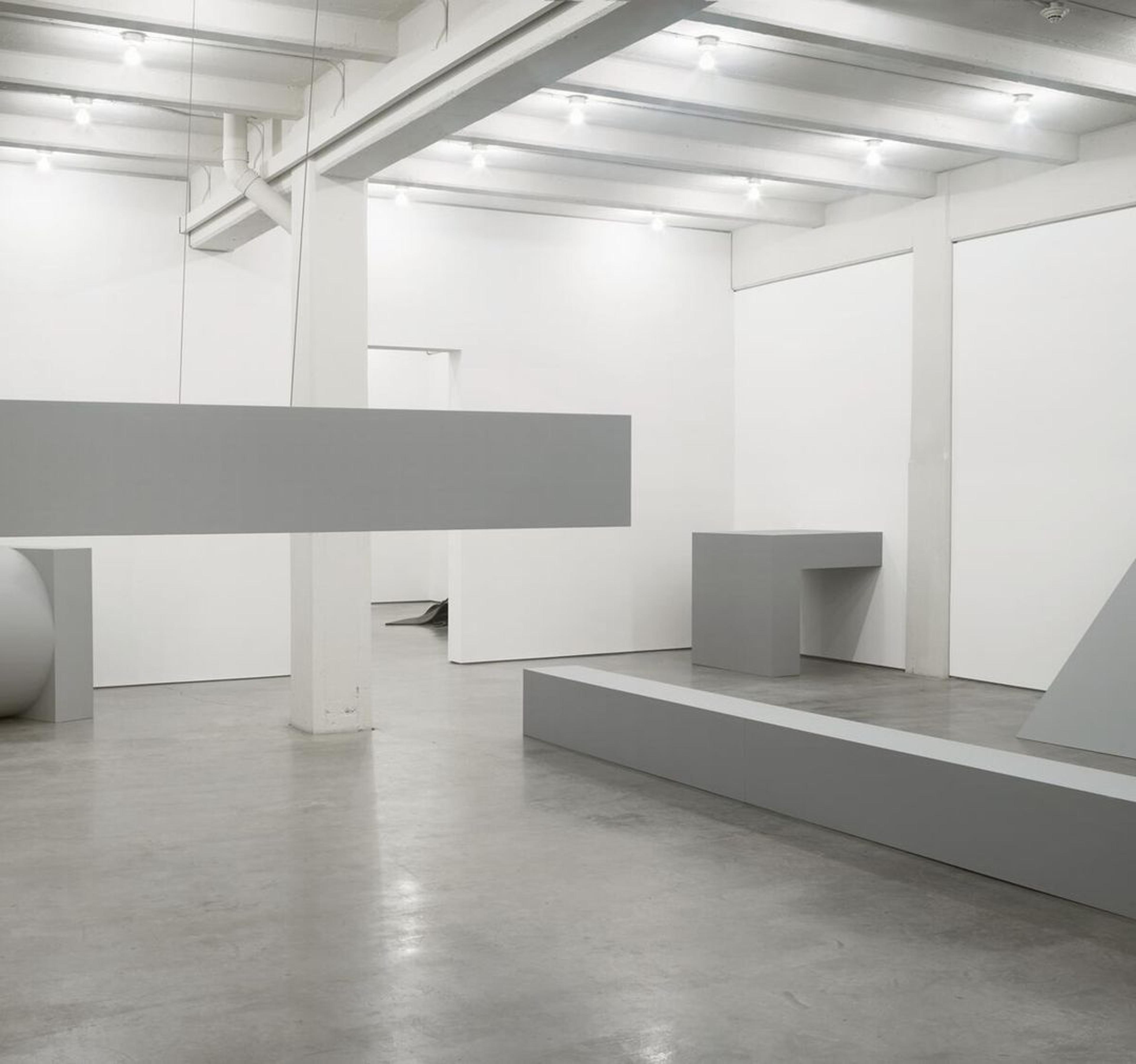
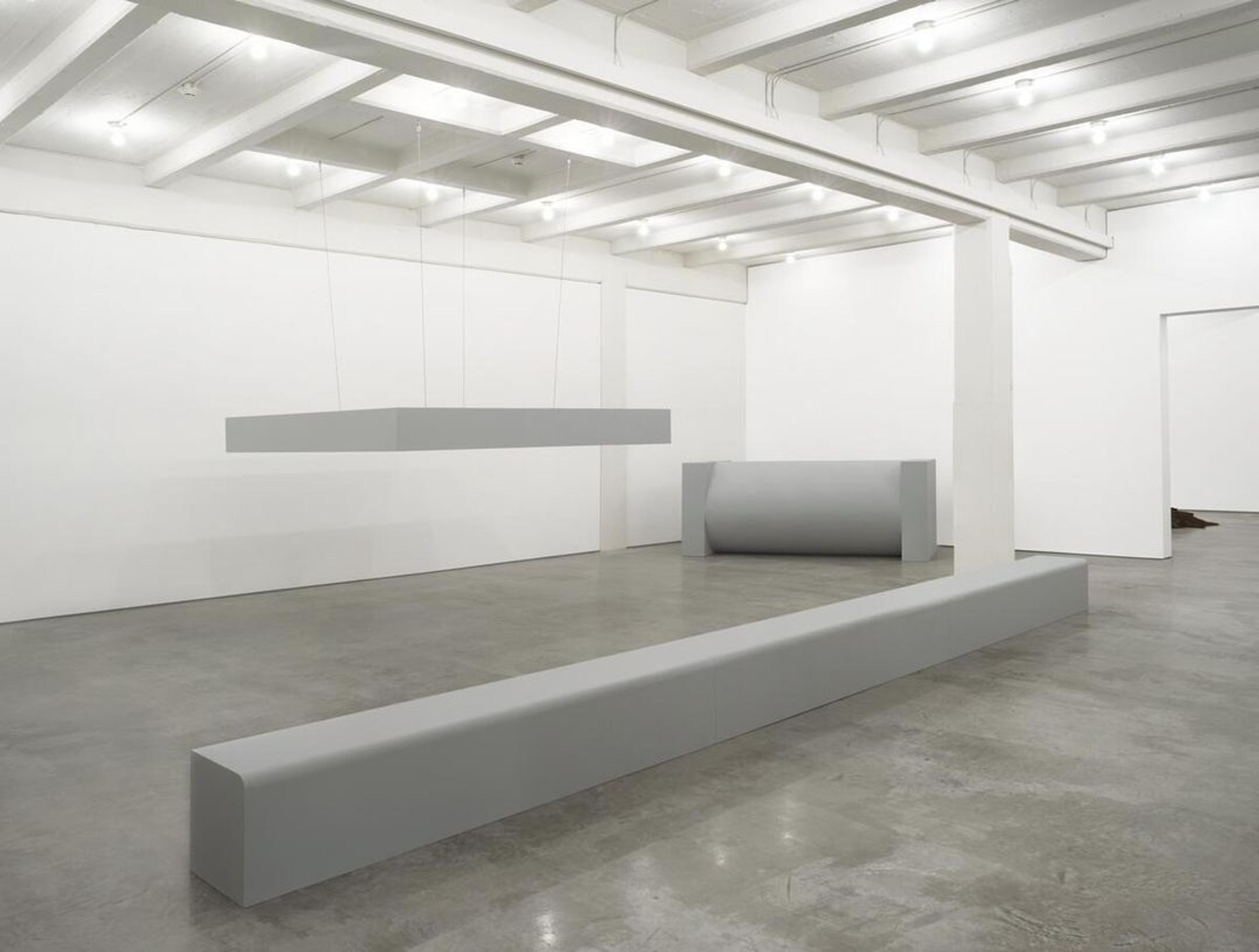
Drawing on his experience choreographing and building props for experimental dance performances, in 1961 Robert Morris began creating sculptures that engage viewers in perceptual experiences in real space. Between 1962 and 1964, he made this series of seven simple, painted plywood sculptures that exposed the gallery as an environment.
Six of the seven sculptures were shown for the first time in the artist’s landmark solo exhibition at the Green Gallery in New York in December 1964; the seventh was completed shortly thereafter. Characterized by simple geometry and scaled to the body, these works are visually indivisible shapes, or gestalts, meant to be perceived by a standing viewer. As he has described in his 1966 essay, “Notes on Sculpture, Part I,” the “parts are bound together in such a way that they offer a maximum resistance to perceptual separation.” As unified shapes, these plywood sculptures redirect attention to their surroundings and reveal the architecture of the gallery as well as the viewer’s position in relation to it. A critical success, Morris’s Green Gallery show is now perceived as a significant milestone in the emergence of minimal art.
Excerpted from Robert Morris, October 8, 2016–December 6, 2020, Dia Beacon; Exhibition Information.
1-2 years
7
20th Century
Dia Art Foundation