Minnie EvansThe Visionary Art of Minnie Evans
About
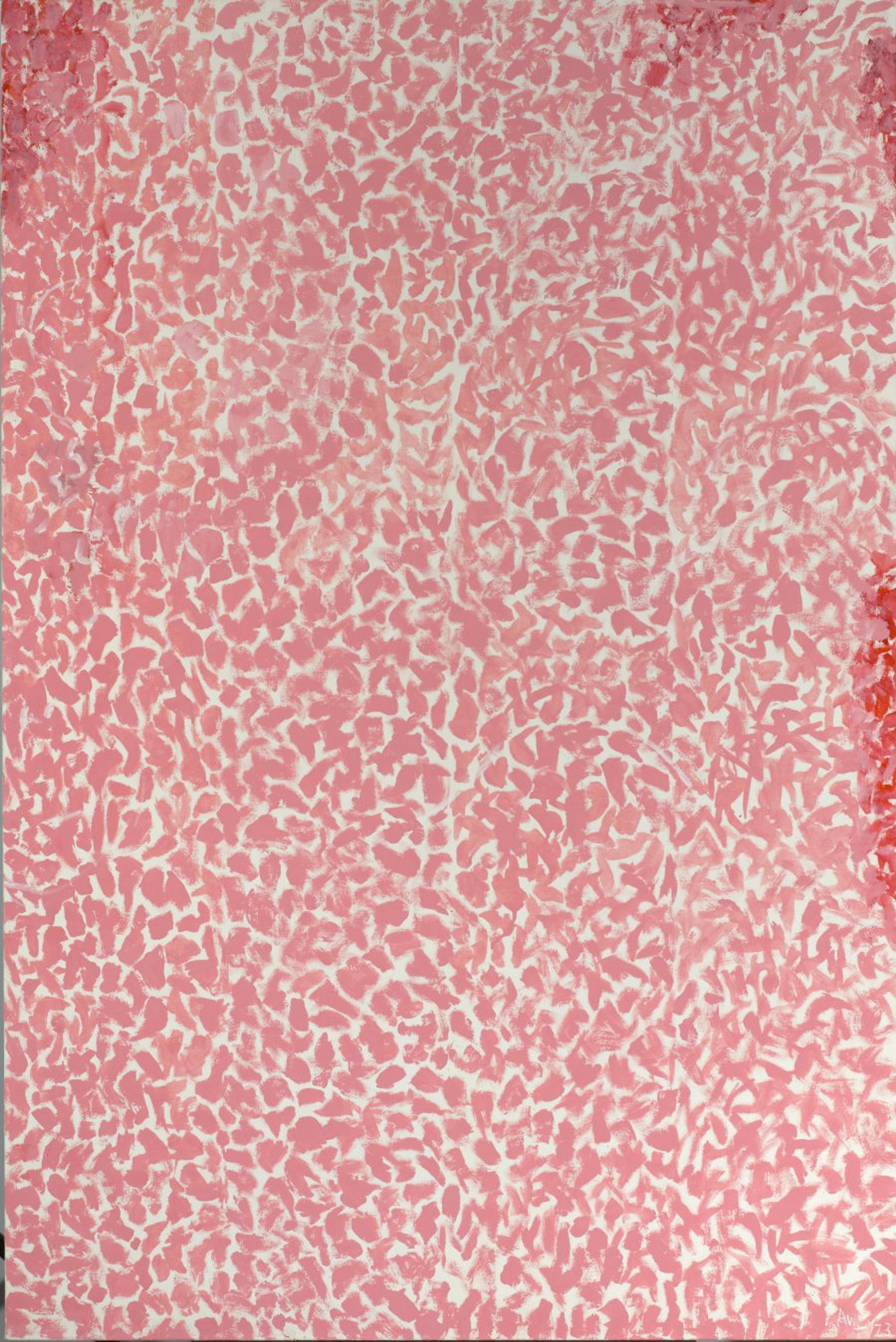
Minnie Jones Evans (American, 1892 – 1987) is recognized as one of the most important visionary folk artists of the twentieth century.
Born on December 12, 1892, in a log cabin in Long Creek, NC, USA, at a very young age she moved to Wilmington, NC, where she spent most of her life. She traced her background to a maternal ancestor who had been forced from Trinidad to the US as a slave.
Starting in her childhood and continuing throughout her life, Minnie Evans experienced powerful dreams and visions. She created her earliest art works on paper in 1935 after hearing a profound voice telling her to "draw or die." After working in domestic service for decades, she began working at Airlie Gardens as a gatekeeper in 1948. From then until 1974, she created hundreds of drawings and sold them to visitors. A self-trained artist, her first formal exhibition was at the Artists’ Gallery in Wilmington in 1961.
Minnie Evans’ art is often but not always symmetrical, including abstract designs, and images repeated in three, eyes, angels, creatures, faces with sealed lips, and flowers. Influences on her work include her strong religious upbringing, her love of mythology, exposure to fine art in homes where she worked, the lush botanical surroundings of Airlie Gardens and her own visionary imagination.
Minnie Evans donated two pieces of her work to St. John’s Museum of Art (which later became Cameron Art Museum) in 1970. Mr. and Mrs. Bruce B. Cameron and others admired her work and donated multiple pieces to Cameron Art Museum’s permanent collection later as well.
“My dreams are in brilliant colors, and I paint the way I remember the dreams.”
-Minnie Evans
Lender
Cameron Art Museum
Space Requirements
Approx 50 - 75 linear ft; 1200 sq ft
Loan Duration
6 months
Support
Art Bridges is dedicated to partnering with and supporting institutions that focus on developing engaging, accessible, and dynamic exhibitions. Art Bridges provides 20% to 70% of total eligible costs while it's at your museum and significant funding for Learning & Engagement programming for outreach and engagement to bring new audiences.