The Ab-Ex Generation
About
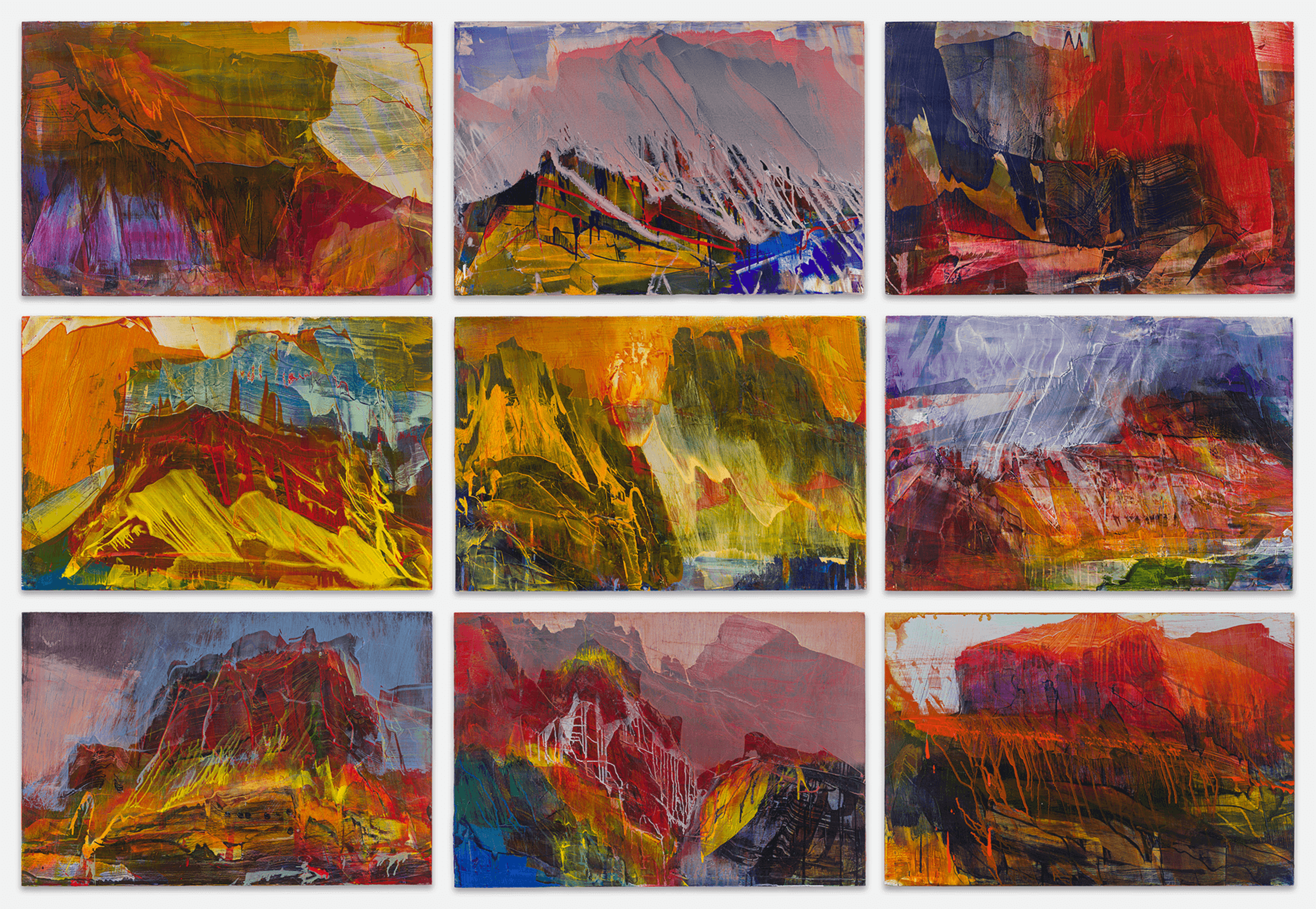
Explore Abstract Expressionism beyond its icons, discovering bold artists, regional communities, and the cultural forces that shaped America's groundbreaking postwar art movement.
In the aftermath of World War II, the United States emerged not only as an economic and political power but also as a new center of culture. Abst
The story begins with the New York School, the Greenwich Village community of artists whose spontaneous gestures and fields of color helped make New York the postwar art capital. Support from the federal government proved pivotal to the artists who followed. The Works Progress Administration sustained creative careers before the war, and many of the artists it supported went on to teach. The GI Bill then funded art school for returning servicemen and women at home and abroad. Meanwhile, Cold War cultural policy promoted Abstract Expressionism as a symbol of Western freedom and individualism.
The exhibition considers Abstract Expressionism’s reach beyond New York, including the Provincetown, Massachusetts, community where Hans Hofmann’s teaching shaped a generation. His “push–pull” approach helped define a distinctly American abstraction. Finally, the exhibition reconsiders the movement’s traditional media and temporal boundaries. Expanding beyond painting and into the 1960s, it brings forward artists of color, women artists, photographers and painters who carried on this expressive tradition.
This exhibition is organized by the Chrysler Museum of Art and curated by Chelsea Pierce, Ph.D., McKinnon Curator of Modern and Contemporary Art.
Lender
Chrysler Museum of Art
Space Requirements
4,500 to 5,500 sq feet (scalable)
Loan Duration
6 months | 24 weeks